Recycling and Sustainability at Goddington Storage
 At Goddington Storage, sustainability is built into everyday operations rather than treated as an afterthought. Our approach to recycling focuses on practical action, responsible disposal, and continual improvement, with a clear target to divert at least 85% of operational waste away from landfill. That means separating recyclable materials early, working with trusted local services, and keeping reusable items in circulation for as long as possible. For customers looking for a storage provider with a lower environmental footprint, our recycling-focused storage operations are designed to support cleaner, smarter habits across the whole site.
We recognise that waste handling is often shaped by the local area, and the way boroughs organise collection and separation can make a real difference. Across nearby communities, household and commercial waste streams are often split into paper, cardboard, mixed plastics, metal, glass, and general residual waste, with added attention to food waste and bulky items where local services allow. In practice, that means our team keeps a close eye on the kinds of materials most commonly handled in the area, from flattened cardboard and packaging to offcuts, shrink wrap, and redundant office items. By aligning our processes with the broader borough-led waste separation approach, we help make recycling simpler and more effective.
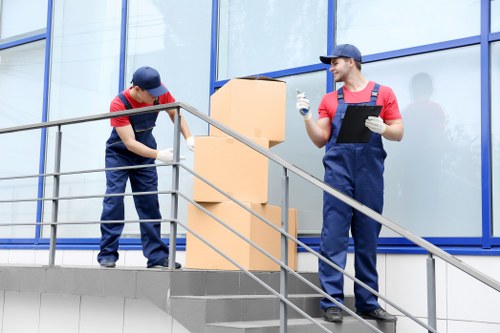 One of the most important parts of our recycling and sustainability work is making sure materials go to the right place the first time. For items that cannot be reused on-site, we use approved local transfer stations that are well positioned to sort, consolidate, and route waste to the correct recycling or recovery facility. These local transfer stations help reduce unnecessary journeys and improve the chances that materials such as cardboard, plastics, scrap metal, timber, and hard plastics are processed efficiently. In some cases, the nearest facilities also support separate streams for electrical items and other specialist waste, which is especially helpful in an area where different boroughs may apply slightly different separation rules.
We also place strong emphasis on re-use before recycling. Many items that would otherwise be discarded can still have value, especially furniture, shelving, office equipment, and household goods that remain in usable condition. That is why Goddington Storage works in partnership with charities and community-focused organisations that can redistribute suitable items for a second life. These partnerships help extend the lifespan of good-quality goods, reduce pressure on waste systems, and support local causes at the same time. It is a simple but effective principle: if an item can be repaired, repurposed, or donated, it should be considered before it becomes waste.
As part of this commitment, we encourage a reuse first mindset across the site. Items returned from storage clear-outs, estate changes, business relocations, or seasonal decluttering are reviewed with recycling and donation in mind. Where safe and practical, we separate reusable materials from mixed waste so that charities can benefit from furniture, homeware, books, and office supplies, while recyclers receive the remaining materials in cleaner, more manageable streams. This more careful approach helps reduce contamination and gives our recycling at Goddington Storage programme a stronger environmental outcome.
 Transport is another area where small choices can create a meaningful environmental benefit. Goddington Storage uses low-carbon vans for collections, deliveries, and operational support wherever feasible. These vehicles are selected to reduce emissions and improve fuel efficiency, helping us lower the carbon impact associated with moving goods to and from storage. In a local area where trips can often be short but frequent, using lower-emission transport is a practical step that complements our recycling ambitions. It also supports a more considered logistics model, where route planning and efficient loading reduce wasted mileage.
We also think carefully about packaging waste. Storage customers often accumulate tape, wrap, boxes, fillers, and mixed packing materials that can be difficult to recycle if they are contaminated or combined. Our team works to separate these materials where possible and to direct them into the correct stream. Clean cardboard is kept apart from films and soft plastics; metal components are collected separately from general waste; and fragile or broken items are checked for salvageable parts before disposal. This kind of sorting reflects the wider local emphasis on structured recycling systems, where borough collections reward households and businesses that sort waste correctly.
In addition to our in-house processes, we continue to review how our site can support a circular economy. That means choosing suppliers with responsible packaging, reducing single-use materials, and favouring products that can be repaired or recycled more easily. Our sustainability strategy is not limited to waste removal; it includes the decisions made before waste is created. From office paper use to equipment replacement schedules, every area is assessed for its potential to cut waste, conserve resources, and improve the overall environmental performance of the storage service.
We are aware that local communities often expect clear standards around recycling, especially where different boroughs may handle waste separation in slightly different ways. That is why our internal sorting methods are designed to be straightforward and consistent, making it easier to manage items according to their material type. Whether it is mixed recyclables from a business move, broken household items from a declutter, or surplus supplies from a storage clearance, our approach aims to minimise landfill use and maximise recovery. This steady attention to process helps make Goddington Storage recycling both practical and accountable.
 Another important aspect of our sustainability work is collaboration. By maintaining relationships with local recyclers, transfer stations, and charities, we help ensure that materials move through the most suitable route. Useful items go to community partners; recyclable materials go to the right processing facilities; and only the true remainder is treated as residual waste. This layered approach means fewer missed opportunities and better environmental results. It also reflects our belief that storage providers can play a positive role in local sustainability, not just by reducing waste but by helping to keep resources in circulation.
 Looking ahead, we are committed to raising our recycling percentage target further through better separation, smarter logistics, and ongoing review of our supply chain. We will continue using low-carbon vans where possible, strengthen partnerships with charities, and direct waste through local transfer stations that support responsible sorting and recovery. At Goddington Storage, sustainability is an active process: one that combines thoughtful operations, local awareness, and a genuine effort to reduce environmental impact. For customers who value a greener approach, our recycling and sustainability practices offer a storage service that is practical, modern, and responsibly managed.